
Kanban Board
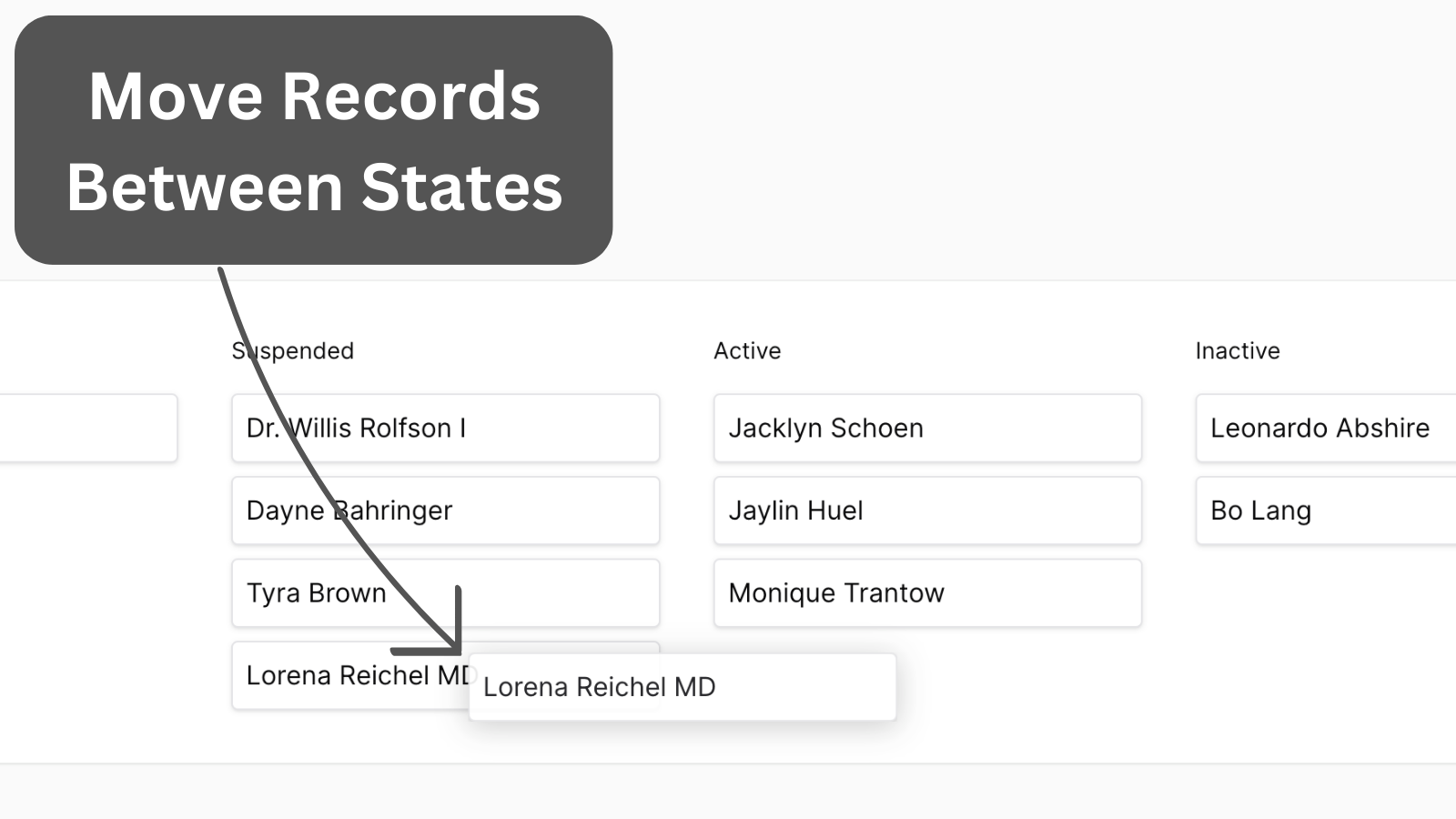
Filament 4/5A Filament application with a Kanban board featuring a Client model, Client Status enum, Kanban Board interface, and drag-and-drop functionality to move clients between statuses.
Get the Source Code:
Only This Example
$9
One-time payment
Full source code for Kanban Board
Downloadable ZIP file with the source code
Lifetime access to this example
 Sign in with GitHub to buy
Sign in first, then complete your $9 checkout.
Best value — all 176 examples
View membership plans
FilamentExamples Membership
$99
/year
or
$199
lifetime
Access to code of all 176 examples
Future new examples and updates included
FilaCheck Pro package licence included
MCP server included
30-day money-back guarantee
How it works
To create the Kanban board, you have to make a custom page like this:
php artisan make:filament-page ManageClientStatusOnce this is done, we have to add the following code to it:
app/Filament/Pages/ManageClientStatus.php
use App\Enums\ClientStatus;use App\Models\Client;use Filament\Support\Icons\Heroicon;use Filament\Notifications\Notification;use Filament\Pages\Page;use Illuminate\Support\Collection;use Livewire\Attributes\On; class ManageClientStatus extends Page{ protected static string | \BackedEnum | null $navigationIcon = Heroicon::OutlinedDocumentText; protected string $view = 'filament.pages.manage-client-status'; #[On('statusChangeEvent')] public function changeRecordStatus(int $id, ClientStatus $status): void { $client = Client::find($id); $client->status = $status; $client->save(); $clientName = $client->name; Notification::make() ->title($clientName . ' Status Updated') ->success() ->send(); } protected function getViewData(): array { $statuses = $this->statuses(); $records = $this->records(); $statuses = $statuses ->map(function ($status) use ($records) { $status['group'] = $this->getId(); $status['kanbanRecordsId'] = "{$this->getId()}-{$status['id']}"; $status['records'] = $records ->filter(function ($record) use ($status) { return $this->isRecordInStatus($record, $status); }); return $status; }); return [ 'records' => $records, 'statuses' => $statuses, ]; } protected function statuses(): Collection { return collect(ClientStatus::cases()) ->map(function (ClientStatus $stage) { return [ 'id' => $stage->value, 'title' => $stage->getLabel(), ]; }); } protected function records(): Collection { return Client::all() ->map(function (Client $item) { return [ 'id' => $item->id, 'title' => $item->name, 'status' => $item->status->value, ]; }); } protected function isRecordInStatus($record, $status): bool { return $record['status'] === $status['id']; }}Let's quickly go through the code:
The FULL tutorial is available after the purchase: in the Readme file of the official
repository you would get invited to.